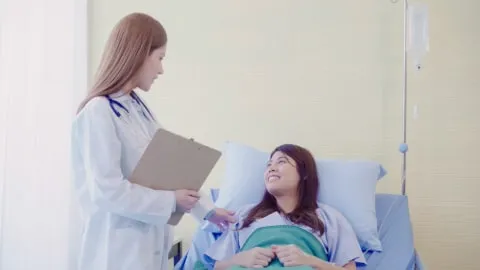
Your body is working its magic as your uterus returns to its pre-pregnancy state after delivery. Discover what's happening inside, what symptoms to expect, and how to support both your recovery and your C-section kid's unique needs.

Becoming a C-section mom is an incredible journey. While you're getting to know your little one, your body is already hard at work healing.
A key part of your postpartum recovery is a natural process called involution of the uterus. Think of it as your body's way of returning to its pre-pregnancy state. Just like your baby grows day by day, your body also undergoes its own transformation.
What is Involution of the Uterus?
After your C-section, your body begins an amazing shrinking process called uterine involution as your uterus returns to its pre-pregnancy size and position. During involution, the uterine muscles contract, helping to close off blood vessels and shrink the area where your placenta was attached.1
This process is especially important after cesarean delivery because your body is not only healing from birth but also from a major surgery. Common signs of uterine involution after C-section include:2
- Mild cramping (often called afterpains)
- Postpartum discharge, known as lochia, changing from red to pinkish-brown and finally to yellow-white
- Belly feeling a little softer over time
- Heaviness in your lower abdomen that lessens over time
- Occasional gushes of blood when standing up or nursing
While this process begins right after delivery, it typically takes about six weeks to be complete.2 Remember, every mom's body is different, so it's most important to listen to your own healing journey.
How to Help Your Body Heal After Uterine Involution
Navigating recovery from a C-section while caring for a newborn is a truly heroic feat. We know it can feel overwhelming, but remember that your body is designed for this. A little extra care can go a long way towards normal involution of uterus.
Here are some practical ways to support yourself when dealing with involution of uterus after delivery:2
- Lie on your stomach: This position can help you manage pain during episodes of intense cramping.
- Pain medication: Don’t hesitate to use prescribed medications to manage discomfort and aid in healing.
- Breathing exercises: Engage in gentle breathing exercises to reduce stress and improve circulation.
- Postpartum exercises: Incorporate light postpartum exercises to help regain strength; aim for short, consistent sessions.3
- Yoga: Gentle yoga stretches can help strengthen uterine muscles and offer a calming respite.4
Remember, every recovery journey is unique. Always check with your healthcare provider before trying any new exercise or remedy. Your doctor or midwife knows your specific situation and can provide personalized guidance on what's safe for your healing body.
The Shared Journey: How You and Your C-Section Child Heal Together
While you're focused on your uterine involution and healing, your little one is also adjusting to the world outside your womb. Babies born via cesarean section have a different first exposure to bacteria compared to vaginally-born babies.5
During a vaginal birth, babies get coated with beneficial bacteria from the birth canal. This absence can lead to a less diverse gut microbiome, a condition called dysbiosis.6
Research shows that this early gut difference isn't just a temporary concern; it can actually influence your little one's health for years to come. Studies suggest that this imbalance may be linked to long-term risks like food allergies, asthma, diabetes, and even obesity, which can extend up to seven years of age and beyond.7 8
| Aspect | Vaginal birth | C-section birth |
|---|---|---|
| Initial bacteria exposure | Baby gets helpful bacteria from the birth canal during delivery. These bacteria help start a healthy gut. | Baby first meets bacteria from skin and the environment instead of birth canal bacteria. |
| Gut microbiome diversity | More types of good bacteria from the start. This helps baby's gut develop normally. | Fewer types of helpful bacteria at first. This difference can last for months without support. |
| Immune development | Develops with natural exposure to mom's bacteria, which teaches the immune system what's normal. | May have higher chance of allergies, asthma, eczema, or digestive issues without additional support. |
A healthy gut is the foundation for strong immunity and overall health, so supporting your CS kid’s gut from the very beginning is key. This is where a little extra care makes a world of difference. While you're focusing on your body's recovery, your C-section-born child needs special nutritional support too.
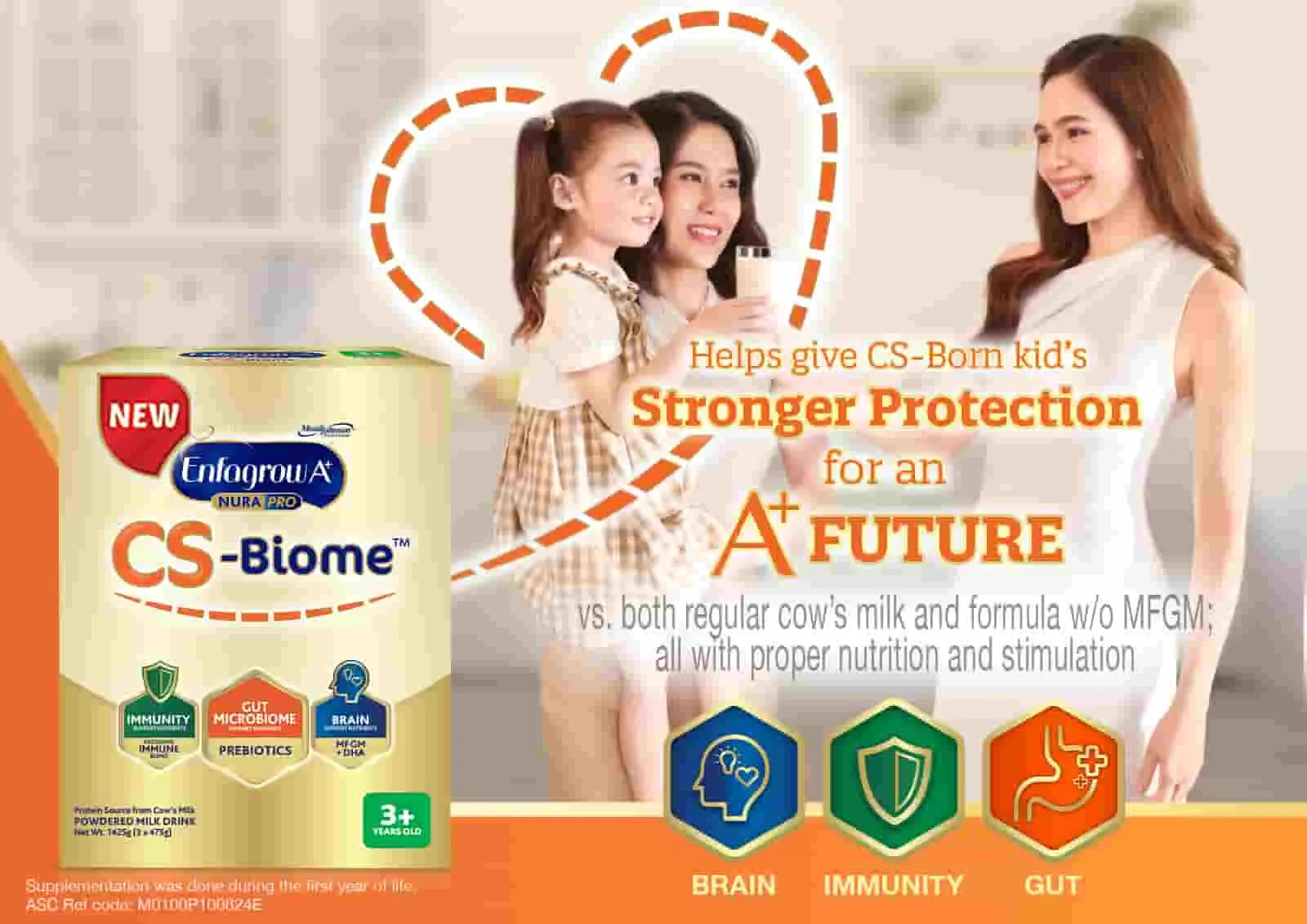
Enfagrow A+ CS-Biome 3+ is specially designed to provide this care. It's the only milk specially designed with a unique C-Biome Blend that includes an Exclusive Immune Blend, Prebiotics, MFGM, and the highest levels of DHA to help strengthen your little one's immunity and support their gut and brain development. (vs. both regular cow’s milk and formula without MFGM, all with proper nutrition and stimulation, supplementation was done during the first year of life)
Navigating Postpartum Recovery for You and Your Child
Your body's incredible journey through the involution of uterus is just one part of your postpartum story. As you heal, remember that both you and your little one are adapting and growing stronger each day. The extra care your C-section recovery requires mirrors the special attention your baby needs too.
By focusing on your well-being, you're setting a foundation for a healthy future for you and your little one. Help give your CS-born kid’s stronger protection for an A+ future with Enfagrow A+ CS-Biome 3+, offering the specialized support for gut and immunity to help your CS-born kid thrive! (vs. both regular cow’s milk and formula without MFGM, all with proper nutrition and stimulation, supplementation was done during the first year of life)
Frequently Asked Questions
Can exercise help with uterine involution?
Yes, gentle postpartum exercises can help with uterine involution by improving blood circulation and promoting uterine contractions.3 Always get your doctor's approval before starting any exercise program after a C-section.
When does involution of the uterus occur?
Involution of the uterus begins immediately after childbirth, with the process typically completing around six weeks postpartum.2
Does breastfeeding help the uterus go down?
Yes, breastfeeding promotes the release of oxytocin. This stimulates uterine contractions, aiding in the uterus's return to its pre-pregnancy size.9
Does age affect uterine involution?
Yes, maternal age can influence uterine involution. Older mothers might experience a slightly slower involution process compared to younger mothers.10
Is uterine involution painful?
Uterine involution can cause some discomfort, which is often described as cramping or "afterpains" as your uterus contracts to shrink back to its normal size.
References
- Chauhan, G., & Tadi, P. (2025). Physiology, postpartum changes. In StatPearls. Retrieved from https://www.ncbi.nlm.nih.gov/pubmed/32310364
- What is uterus involution?. Cleveland Clinic. (2025, June 30). https://my.clevelandclinic.org/health/body/22655-uterus-involution
- Purwati, Y. (2019). The effect of postpartum exercise to uterine involution. SSRN Electronic Journal. https://doi.org/10.2139/ssrn.3494312
- Anggraeni, N. P., Herawati, L., & Widyawati, M. N. (2019). The effectiveness of postpartum yoga on uterine involution among postpartum women in Indonesia. International Journal of Nursing and Health Services (IJNHS), 2(3), 124–134. https://doi.org/10.35654/ijnhs.v2i3.164
- Hoang, D. M., Levy, E. I., & Vandenplas, Y. (2020). The impact of caesarean section on the infant gut microbiome. Acta Paediatrica, 110(1), 60–67. https://doi.org/10.1111/apa.15501
- Belizário, J. E., & Faintuch, J. (2018). Microbiome and Gut Dysbiosis. Experientia Supplementum, 459–476. https://doi.org/10.1007/978-3-319-74932-7_13
- Zhang, C., Li, L., Jin, B., Xu, X., Zuo, X., Li, Y., & Li, Z. (2021). The effects of delivery mode on the gut microbiota and Health: State of Art. Frontiers in Microbiology, 12. https://doi.org/10.3389/fmicb.2021.724449
- Sarkar, A., Yoo, J. Y., Valeria Ozorio Dutra, S., Morgan, K. H., & Groer, M. (2021). The association between early-life gut microbiota and long-term health and diseases. Journal of Clinical Medicine, 10(3), 459. https://doi.org/10.3390/jcm10030459
- Yorita, E., Anggraini, J. D., Yanniarti, S., Burhan, R., & Rina, R. (2023). Early initiation of breastfeeding can accelerate uterine involution in postpartum women. Contagion: Scientific Periodical Journal of Public Health and Coastal Health, 5(3), 1017. https://doi.org/10.30829/contagion.v5i3.17550
- Rohmawati, I., Kholidati, R., Masruroh, E., Afrian Nuari, N., Widayati, D., Rodli, F., Adhi Prasnowo, M., Rizki Amalia, E., Sugiarto, A., & Heru Romadhon, A. (2019). The factors affecting uterine involution in post SC mothers. Journal of Physics: Conference Series, 1175, 012284. https://doi.org/10.1088/1742-6596/1175/1/012284