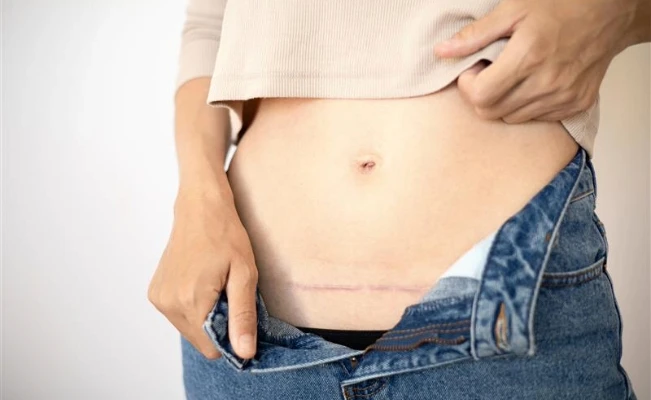
Your cesarean scar tells a story of strength, and with simple care, it heals naturally. Knowing the healing stages, warning signs, and care tips helps prepare you for the journey ahead.
Congratulations, mom! That new line on your tummy isn’t just a wound; it’s your "Stitches of Love" and the doorway that brought your baby into the world.
But let's be honest: dealing with a healing c-section scar comes with its own set of prickles, itches, and worries. You deserve to recover comfortably.
Let’s guide you through caring for this mark of strength on your skin, while also exploring the special nutritional support your CS-born little one might need on the inside.
What Does a C-Section Scar Look Like?
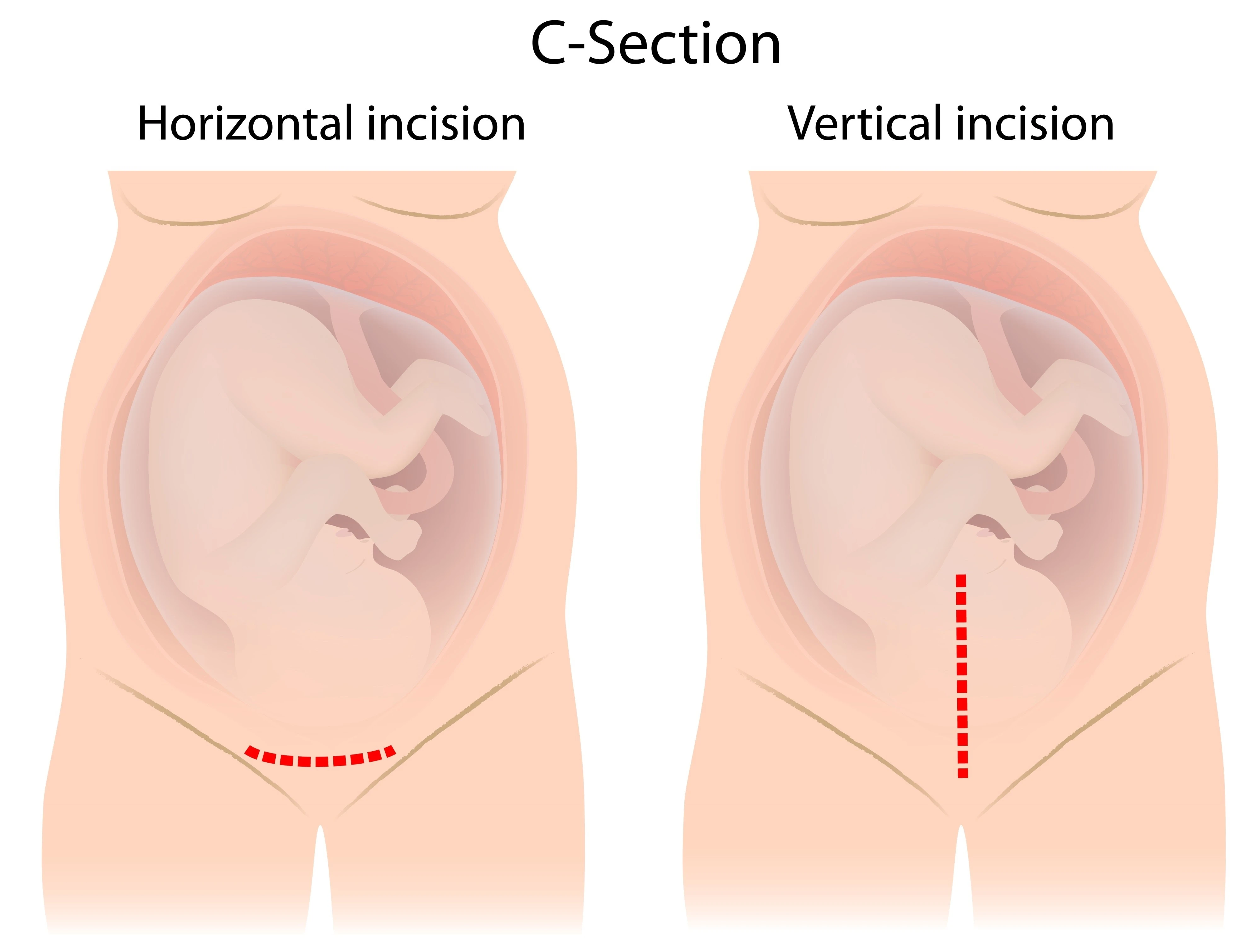
Every birth story is unique, and so is the mark it leaves behind. Generally, the shape of your scar depends on how your doctor needed to bring your baby into the world safely:1
- Horizontal (The "bikini cut"): This is the most common type for moms. It sits low on the tummy and is easily hidden by your underwear or bikini bottom.
- Vertical: While rarer today, this up-and-down cut is sometimes necessary for emergency deliveries or specific medical reasons.
Sometimes, our skin gets a little too enthusiastic about healing, which can change how the scar looks and feels as it matures:2
- Hypertrophic scars: Think of this as a "puffy" scar. It might feel thick, raised, and red, but it stays strictly within the lines of your original cut. These often flatten out over time.
- Keloid scars: These are a bit more stubborn and can be genetic. A keloid grows beyond the original wound boundaries, looking shiny, lumpy, or larger than the incision itself.
If you notice your scar raising its voice (and its height), don’t panic! Over-the-counter silicone gel sheets or creams can act like a hydrating shield to help flatten and soften the area. For more stubborn cases, a quick chat with your dermatologist can open up other options, like steroid injections or laser therapy.3,4
C-Section Scar Healing Stages: What to Expect When You’re Recovering
While you’re busy getting to know your little one, your body is quietly working overtime to knit you back together. Your cesarean scar heals in three natural phases, each with its own signs and timeline.5 Understanding these stages helps you know what's normal and what needs a second look from your doctor.
| Stage | What's Happening | What It Looks and Feels Like |
|---|---|---|
| 1. Inflammation (first few days up to week 1) | Your body sends healing cells to close the wound. Blood flow increases to the area. | The "ouch!" phase. Your incision will likely look red, puffy, and feel warm or tender. Moving might hurt, and the area feels raw like a fresh scrape. |
| 2. Proliferation (up to 4 weeks) | New tissue and collagen form. Nerves start reconnecting. | The "itchy" phase. As the wound knits, the scar turns a vivid pink or purple. You might feel a "tugging" sensation or an annoying scar itching. A hard "ridge" might form under the skin. |
| 3. Maturation or knitting (up to 1–2 years) | Collagen remodels and the scar softens and flattens. | The "fading" phase. The brighter red/pink color slowly turns silver, white, or light brown. The scar flattens out, softens, and becomes much less sensitive to the touch. |
How to Care for Your C-Section Scar: Best Practices and More
Good scar care doesn't have to be complicated. These are some simple steps to support safe, steady healing:6,7
- Keep it clean: You don't need harsh scrubbing. During your shower, just let mild soapy water run gently over the incision. It’s soothing and sufficient.
- Pat, don’t rub: After washing, gently pat the area dry with a clean towel. In our humid weather, making sure no moisture gets trapped in skin folds is key to preventing infection.
- Dress for comfort: Now is the time to embrace high-waisted “granny panties” or loose cotton underwear. You want to avoid any elastic bands rubbing directly against your healing wound.
- Support yourself: If you need to cough, sneeze, or laugh, hold a pillow firmly against your tummy (splinting). This supports your muscles and reduces that sudden “ouch!” pain.
- Let air reach the wound: When you're resting at home, let the area breathe. Avoid tight waistbands.
- Take pain relief as prescribed: Paracetamol or ibuprofen can help manage discomfort. Check with your doctor, especially if you’re breastfeeding.
- Move gently, but move: Short walks improve circulation and prevent blood clots. Support your belly when you cough or laugh.
Things to Avoid While Your C-Section Scar Heals
Your body is doing incredible work knitting itself back together, and you can help by giving it a little breathing room. Until your doctor gives the all-clear (usually around 6 weeks), here are a few things to hold off on:6,7
- Heavy lifting: For now, stick to carrying your baby and nothing heavier. Your core needs time to rebuild strength without strain.
- Soaking in water: Skip the hot tubs, bathtubs, and swimming pools for a bit. Soaking can soften the wound and create an opening for bacteria. Showers are your friend for now.
- Intense workouts: Save the running, ab exercises, and lifting weights for when you're cleared. Gentle walks are perfect; anything that makes you sweat hard or strain can wait.
- Don't pick at scabs or apply random ointments: Let scabs fall off naturally and only use products your doctor recommends. Trust the process as your skin knows what it’s doing as it heals!
These aren't forever rules, just smart, temporary boundaries while you heal. Remember to be gentle with yourself and your routines during the recovery phase.
Warning Signs: Infected C-Section Scar and Other Red Flags
Most C-section scars heal without issues, but it's smart to know when something's off. Consult your doctor or OB-GYN immediately if you notice:
- Redness or heat: The redness spreads or the skin feels hot to the touch.
- Discharge: You see oozing pus or smell a foul odor from the incision.
- Fever: You have a temperature of 38°C (100.4°F) or higher.
- Worsening pain: The pain gets sharper or harder to manage instead of fading.
- Opening: The incision starts to separate (dehiscence).
Don't wait it out, especially in hot, humid weather where CS wound infections can move fast. If you notice any of the signs above—or if your gut tells you something's wrong—call your OB-GYN right away. For high fever, heavy bleeding, or a wound that's opened, head to the ER.
Beyond the CS Scar: Addressing Your CS-Born Child’s Unique Needs
While your “Stitches of Love” heals on the outside, your little one's inner world is adjusting too. Research shows that children born via C-section can miss out on beneficial bacteria from the birth canal—bacteria that help "seed" a healthy gut microbiome early on.9
This difference can lead to a condition called dysbiosis, a persistent imbalance in the gut's beneficial bacteria that may lead to issues with your child’s immune response, digestion, and even metabolism. Some research even links early dysbiosis to a higher risk of conditions like asthma and type 1 diabetes as kids grow.10
Moreover, your child's gut and brain are in constant conversation through what scientists call the gut-brain axis. The presence of “good bacteria” in the gut helps keep this axis in check.11 When the gut microbiome is out of balance early on, it can affect how their brain develops and functions during these critical years and beyond.12
How Can Nutritional Support Help Your CS-Born Child?
Research shows that targeted supplementation with prebiotics, MFGM, and DHA can help close that gap. Just like you're caring for your scar with intention, your CS-born child can get the nutritional support their gut and brain need to thrive.13
| Key Nutrient | How It Helps CS-Born Kids |
|---|---|
| Prebiotics | Feed and promote the growth of good bacteria in the gut, helping restore balance. |
| MFGM (Milk Fat Globule Membrane) | Supports brain structure, cognitive development, and immune function. |
| DHA | Essential for brain growth, learning, focus, and healthy neural connections. |
That’s where Enfagrow A+ CS-Biome 3+ comes in! It’s the only milk specially designed with the C-Biome Blend—an Exclusive Immune Blend with Prebiotics to help strengthen your cesarean-born child's gut health and overall immunity. It’s formulated to help restore good bacteria balance, giving your CS-born kid STRONGER PROTECTION + MFGM and highest levels of DHA (among formula milks) to support brain development during these critical growing years. (vs. both regular cow’s milk and formula without MFGM, all with proper nutrition and stimulation, supplementation was done during the first year of life)
Your Mark of Love and Resilience
Your c-section scar is a reminder of how strong you are, and with gentle care, it will heal. Remember to keep the wound clean, watch for warning signs, and focus on gentler movements for now.
Here's something beautiful to remember: while you're healing on the outside, your CS-born child is growing and thriving too. Their gut, immunity, and brain are building their foundation every single day, and there are gentle, science-backed ways you can support that journey.
Enfagrow A+ CS-Biome 3+ is specially created for CS-born kids, containing a C-biome Blend with an Exclusive Immune Blend + Prebiotics that help strengthen gut health and immunity from within. While your scar fades, give your child nutrition designed that helps provide them with STRONGER PROTECTION for their unique start! (vs. both regular cow’s milk and formula without MFGM, all with proper nutrition and stimulation, supplementation was done during the first year of life)
Frequently Asked Questions
Do c-section scars ever go away?
While your scar won't completely disappear, it will fade significantly over time into a faint silver line that stands as a lasting badge of your motherhood journey.
How does a healed CS scar look like?
Over time, your cesarean delivery scar usually fades into a faint silver or white mark that sits low enough to be easily hidden by your underwear.
How to make a CS scar heal faster?
You can't rush healing, but you can support it: keep the incision clean and dry, wear light clothing, and follow your doctor's care instructions carefully. Avoid picking at scabs, heavy lifting, and anything that strains the area until you're fully cleared.
Why is my CS scar not healing?
Delayed healing can be caused by infection, excessive physical strain, or underlying health conditions. If the wound looks red, oozing, or refuses to close, consult your doctor immediately.
How do I know if my C-section is healing inside?
Internally, your C-section is healing well if your pain is gradually decreasing (not getting worse), you have no fever or unusual discharge, and you can move around more comfortably each day. If you experience increasing pain, heavy bleeding, fever, or severe tenderness weeks after surgery, contact your doctor immediately.
References
- Jacobson, J. D. (2024, October 15). C-section - series—Procedure, part 3. MedlinePlus. https://medlineplus.gov/ency/presentations/100191_5.htm https://medlineplus.gov/ency/presentations/100191_5.htm
- Limandjaja, G. C., Niessen, F. B., Scheper, R. J., & Gibbs, S. (2020). Hypertrophic scars and keloids: Overview of the evidence and practical guide for differentiating between these abnormal scars. Experimental Dermatology, 30(1), 146–161. https://doi.org/10.1111/exd.14121 https://doi.org/10.1111/exd.14121
- Hypertrophic scar: What is it, causes, treatment. Cleveland Clinic. (2025, August 13). https://my.clevelandclinic.org/health/diseases/21466-hypertrophic-scar https://my.clevelandclinic.org/health/diseases/21466-hypertrophic-scar
- Mayo Clinic Stuff. (2023, July 13). Keloid Scar. Mayo Clinic. https://www.mayoclinic.org/diseases-conditions/keloid-scar/diagnosis-tr… https://www.mayoclinic.org/diseases-conditions/keloid-scar/diagnosis-tr…
- Stupak, A., Kondracka, A., Fronczek, A., & Kwaśniewska, A. (2021). Scar tissue after a cesarean section—the management of different complications in pregnant women. International Journal of Environmental Research and Public Health, 18(22), 11998. https://doi.org/10.3390/ijerph182211998 https://doi.org/10.3390/ijerph182211998
- Martinez, L. (2024, August 11). Going home after a C-section. MedlinePlus. https://medlineplus.gov/ency/patientinstructions/000624.htm https://medlineplus.gov/ency/patientinstructions/000624.htm
- NHS. (2023, January 4). Recovery: Caesarean section. NHS choices. https://www.nhs.uk/tests-and-treatments/caesarean-section/recovery/ https://www.nhs.uk/tests-and-treatments/caesarean-section/recovery/
- Belizário, J. E., & Faintuch, J. (2018). Microbiome and Gut Dysbiosis. Experientia Supplementum, 459–476. https://doi.org/10.1007/978-3-319-74932-7_13 https://doi.org/10.1007/978-3-319-74932-7_13
- Salas Garcia, M. C., Yee, A. L., Gilbert, J. A., & Dsouza, M. (2018). Dysbiosis in children born by caesarean section. Annals of Nutrition and Metabolism, 73(Suppl. 3), 24–32. https://doi.org/10.1159/000492168 https://doi.org/10.1159/000492168
- Zhang, C., Li, L., Jin, B., Xu, X., Zuo, X., Li, Y., & Li, Z. (2021). The effects of delivery mode on the gut microbiota and health: State of art. Frontiers in Microbiology, 12. https://doi.org/10.3389/fmicb.2021.724449 https://doi.org/10.3389/fmicb.2021.724449
- Morin, C., Bokobza, C., Fleiss, B., Hill-Yardin, E. L., Van Steenwinckel, J., & Gressens, P. (2023). Preterm birth by cesarean section: The gut-brain axis, a key regulator of brain development. Developmental Neuroscience, 46(3), 179–187. https://doi.org/10.1159/000534124 https://doi.org/10.1159/000534124
- Borrego-Ruiz, A., & Borrego, J. J. (2024). Neurodevelopmental disorders associated with gut microbiome dysbiosis in children. Children, 11(7), 796. https://doi.org/10.3390/children11070796 https://doi.org/10.3390/children11070796
- Borewicz, K., & Brück, W. M. (2024). Supplemented infant formula and human breast milk show similar patterns in modulating infant microbiota composition and function in vitro. International Journal of Molecular Sciences, 25(3), 1806. https://doi.org/10.3390/ijms25031806 https://doi.org/10.3390/ijms25031806

